
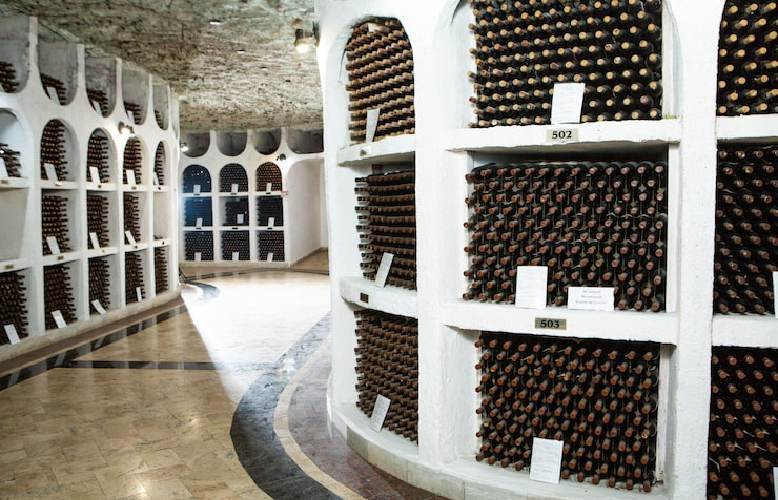
The most significant choice you’ll make in renovating your wine storage area is the material you choose. This decision will affect the safety of your collection, as well as the appearance of your home. Premium Wood Build recognizes the need for a homeowner to be guided when determining their custom storage space. When constructing a functional Wine Cellar, it’s important to use lumber that is suitable for the indoor environment and will not be affected by the climate over time. It’s all about balance between beauty and durability to preserve your investment. Having knowledge of how the various types of timber will respond to cool and damp air will help you make the right decision when remodeling.
Wood Selection’s Effect On Wine Cellar Design
When it comes to the lumber that you use, this can help to establish the general look of your storage area. Various types of wood will add different hues and warmth to the room. You’ll need to take into account how the material will look in your room and lighting setup. A proper timber will make people feel welcome to guests and collector alike. The combination of the correct visual style with structural strength is crucial to the construction of Wine Cellars. Good boards make good shelving.
Popular Wine Cellar Construction Wood Types
One of the preferred choices of wood is redwood as it has rich tones and natural strength. Mahogany offers a classic tone, with rich reddish tones that darken over time. Another contender is white oak, which is tight grained and well built. Budget friendly Pine that stains to give a custom look. Every species has its own advantages and disadvantages, based on your design and budget needs.
Moisture Resistance Impact on Wood Selection
For corks to retain moisture, they need to be kept in a wine storage room with a higher level of humidity. Normal wood will swell and rot when it is wet all year. It is essential to use a species that is naturally resistant to moisture and decay. Redwood and cedar have natural oils which keep them from being affected by dampness. Homeowners often turn to Home Remodeling Services in Bothell, WA to obtain material that is resistant to moisture in the special areas of the house. Rot-resistant timber will keep your racks from rotting and causing damage to the structure behind them.
Wine Cellar Temperature
It is very important for it to be cool when the wine is aged and stored. Normal boards can crack or split when there are abrupt changes in temperature. Hardwoods have a much greater ability to withstand thermal changes than softwoods. Killed dried lumber decreases the likelihood of shrinkage after being installed. Premium Wood Build advises that stable timber be used which will retain its form when it is cool. Stable wood ensures a proper alignment of the bottle slots all year round.
Influence On The Look
The decorative pattern of the wood on which you are decorating your room determines the essence of the room. A smooth and uniform grain provides a clean and modern look. Knots that are prominent and swirling patterns, they give rustic and traditional feel. Sample boards need to be checked for the texture’s appearance under soft lighting. Just as crucial as the installation of Temporary Fencing during an exterior renovation is the design of your space. A good uniformity of grain finish adds to the cohesiveness and careful design of your Wine Cellar.
Use Of Durable Wood
Wine bottles weigh a lot and add weight to your wine storage shelves. Over time, a complete collection on weak lumber can cause it to sag or bend. Oak or mahogany is a better choice of hardwoods to give higher load bearing capability in high racking systems. Home Remodeling Services in Bothell, WA typically work with dense timber when making custom shelving. Your bottles will be securely held in place by strong joints and thick boards. Valuable collection is shielded from accidental falls and breakage with the help of durable materials.
Presentation Of The Principles For Matching Wood
The wine room should be a part of the home, and not a separate room. Unfinished wood is typically favored as it may not give off the scents that can taint wine. Use a water based, low odor finish if you wish. Woods are best matched with modern interior designs of homes and bright kitchens with light colors. Darker shades of wood can go with traditional dining rooms and classic architecture. Premium Wood Build assists homeowners in matching timber tones with other cabinetry and flooring.
Common Mistakes To Avoid
When buying lumber for construction, many homeowners opt for traditional construction lumber which has a tendency to warp in moist rooms. Very aromatic woods (such as aromatic cedar) can over time mar the taste of the wine. Most often, thin boards are not taken into consideration when calculating their weight capacity, which results in sagging shelves. One of the other frequent mistakes is to paint with heavy oil-based stains inside a closed Wine Cellar house. Insure that the timber selected is suitably dried before work is commenced. Premium Wood Build takes care to plan materials ahead to avoid costly repair work in the future.
Frequently Asked Questions
Is it safe to use cedar as my wine rack?
Western red cedar is an excellent choice for racks as it is not overpowering to your wine, and will not absorb moisture. Avoid using aromatic eastern red cedar as it can give off a strong odor that will permeate corks.
Is there a problem with staining wine cellar wood or leaving it unfinished?
It’s best to leave the wood unfinished so that the chemical smell doesn’t impact your bottles. For colored stains use water based stains and let them dry fully prior to storage of wine.
What should be the thickness of the wood for wine racking?
The thickness of boards should be adequate to avoid bending, if they’re intended to hold full rows of heavy glass bottles. If you don’t know the optimum thickness of a board for your rack span, you can ask a builder to advise you.